Introduction to CRM
Module 1: Introduction to CRM


📌 1. What is CRM?
CRM stands for Customer Relationship Management.
It is a software system used by companies like Udyamkart to:
-
Manage customer information
-
Track leads and sales
-
Record communication
-
Improve customer service
-
Automate sales and follow-ups
CRM acts as the central brain for customer and business interactions.
📌 2. Why CRM is Important for Udyamkart
Udyamkart handles:
-
ERP software clients
-
Schools & colleges
-
Website development clients
-
Software projects
-
Marketing and IT support clients
Managing these manually is complex. CRM helps by providing:
✔ Centralized Data
All client details stored safely in one place.
✔ Fast Communication
Send emails, record calls, schedule follow-ups instantly.
✔ Lead Tracking
Know which leads need follow-up and which are ready to convert.
✔ Sales Growth
CRM helps close more deals through automated reminders.
✔ Better Customer Service
Track complaints and service requests properly.
📌 3. Key CRM Components
The CRM system is divided into several parts:
A. Lead Management
-
Add new leads
-
Assign leads to team members
-
Track lead status (New, Contacted, In Progress, Converted)
B. Contact Management
-
Store phone numbers
-
Email IDs
-
Company info
-
Notes & interactions
C. Task Management
-
Set reminders
-
Add follow-up tasks
-
Daily to-do list
D. Communication Logs
-
Phone call notes
-
Email history
-
WhatsApp follow-up
-
Meeting details
E. Reporting & Analytics
-
Daily activity report
-
Monthly sales report
-
Conversion analytics
-
Lead source analysis
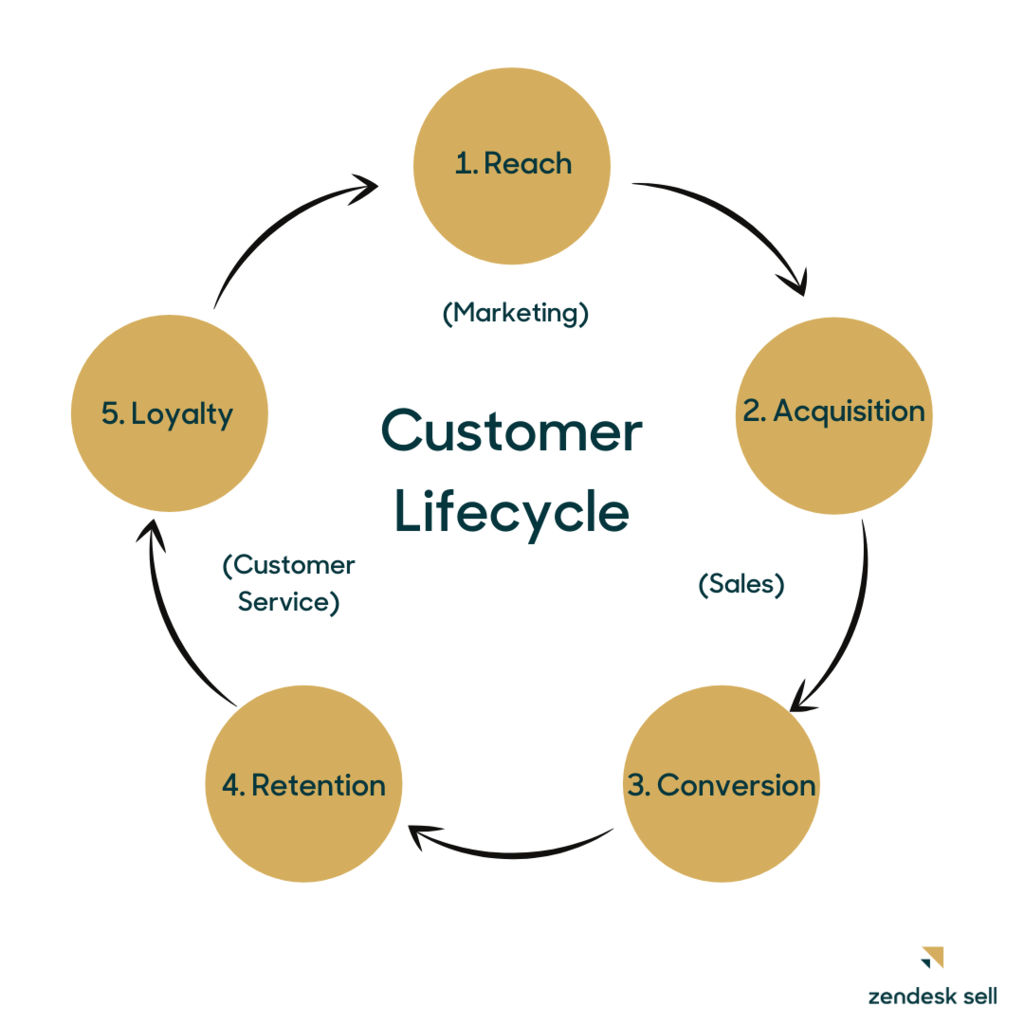
📌 4. Customer Lifecycle (Understanding the Flow)


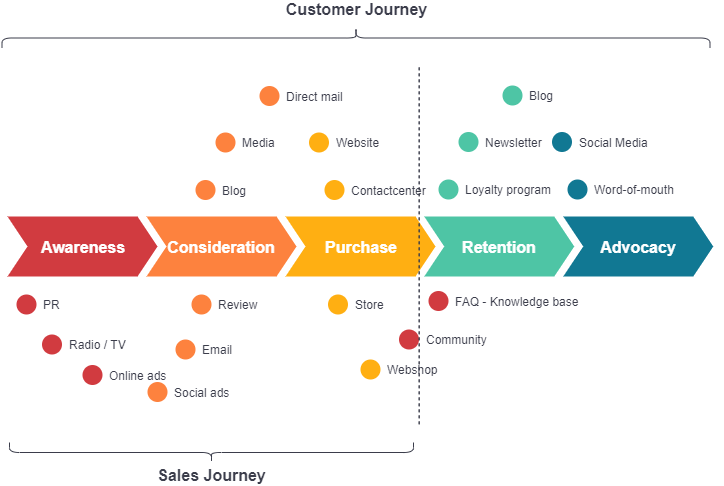
A CRM follows the complete journey of a customer:
1️⃣ Lead (Potential Customer)
Someone who shows interest (website, WhatsApp, call, ads).
2️⃣ Contacted
First communication made.
3️⃣ Qualified
Lead has genuine interest.
4️⃣ Follow-Up Stage
Multiple calls/messages to explain services.
5️⃣ Demo or Proposal
Meeting or product demo scheduled.
6️⃣ Negotiation
Pricing discussion.
7️⃣ Conversion
Deal closed → Lead becomes customer.
8️⃣ Customer Support
Service delivery and technical support.
9️⃣ Retention
Maintaining long-term relationship (renewals, updates).
📌 5. Types of CRM (Based on Udyamkart Needs)
1. Operational CRM
Handles day-to-day tasks:
-
Leads
-
Contacts
-
Follow-ups
-
Tasks
-
Sales pipeline
👉 This is the main type used by Udyamkart.
2. Analytical CRM
Used for data analysis:
-
Conversion rate insight
-
Lead source performance
-
Customer behavior patterns
3. Collaborative CRM
Improves communication between:
-
Sales team
-
Support team
-
Management
👉 Helps ensure clients receive proper service.
📌 6. Benefits of CRM for Udyamkart Interns
✔ Learn professional communication
✔ Understand real-time sales cycle
✔ Gain experience in lead handling
✔ Improve task management skills
✔ Track performance with reports
✔ Prepare for corporate-level work
📌 7. What Interns Must Understand in Module 1
By the end of Module 1, an intern should be able to:
-
Define what CRM is
-
Explain why companies use CRM
-
Understand the full customer journey
-
Identify lead vs customer vs prospect
-
Understand CRM dashboards & sections
-
Explain different CRM types
-
Describe CRM benefits for Udyamkart
📌 Module 1 Practical Assignment
1️⃣ Write a 250-word explanation of “What is CRM?”
2️⃣ Identify 10 companies that use CRM today.
3️⃣ Make a simple customer journey diagram.
4️⃣ Create a list of CRM features required for Udyamkart.